Valuetainment
John Kiriakou: Ex-CIA Officer CONFRONTED Over Zionist Accusations | PBD Podcast

Episode Summary
AI-generated · Apr 2026AI-generated summary — may contain inaccuracies. Not a substitute for the full episode or professional advice.
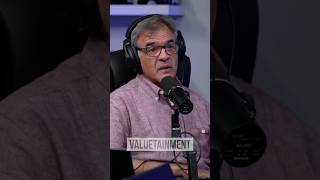
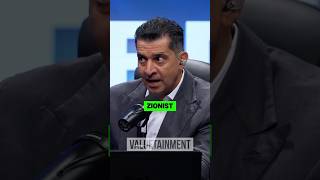
John Kiriakou, a former CIA officer and whistleblower, returns to the PBD Podcast to directly address previous statements he made about host Patrick Bet-David, including accusations of being a "hardcore Zionist" and a "1,000% backer of Reza Pahlavi." Bet-David confronts Kiriakou with clips of his remarks and provides counter-evidence, prompting Kiriakou to apologize for perpetuating untruths regarding Bet-David's stance and the purported 94% Iranian support for regime overthrow, which AI tools and leaked polls show as closer to 80-92%. The conversation also delves into the evolving and often weaponized definition of Zionism.
The episode expands into a wide-ranging discussion on critical geopolitical and domestic issues. Kiriakou shares his accurate prediction of a US attack on Iran, attributing his foresight to insights from military contacts and the analysis of naval movements. He then offers a nuanced take on the ongoing conflict, suggesting that President Trump's unique negotiation style could lead to an outcome resembling the JCPOA agreement, while also highlighting American weaknesses exposed by the conflict, such as pushing Iran deeper into the BRICS alliance. Domestically, they scrutinize the Southern Poverty Law Center (SPLC) for alleged financial misconduct, including money laundering and offshore accounts, and examine the political weaponization of intelligence agencies.
Kiriakou recounts his personal experiences with government overreach, including his prosecution under the Espionage Act for blowing the whistle on waterboarding, leading to the confiscation of his pension and gun rights. He credits Senator John McCain for his public support during this time and criticizes the Obama administration for its unprecedented number of whistleblower prosecutions. The discussion also touches upon the Foreign Intelligence Surveillance Act (FISA) Section 702, its historical context, and concerns about its potential abuse against American citizens, despite military leaders advocating for its necessity in counter-terrorism.
Further insights include Kiriakou's criticism of the politicization of the CIA under figures like John Brennan and the practice of former intelligence officials retaining security clearances for media roles. He shares anecdotes from his decades in Washington, illustrating the historical shift in political civility and his personal encounters with Presidents Reagan and Clinton. The episode concludes with Kiriakou's ongoing quest for a presidential pardon to regain his pension and civil rights, reflecting on the profound personal costs of challenging government secrecy. Listeners walk away with a deeper understanding of the intricate dynamics shaping foreign policy, the persistent challenges to government accountability, and the personal battles fought by those who expose hidden truths.
👤 Who Should Listen
- Anyone interested in US foreign policy, particularly concerning Iran and the Middle East.
- Listeners curious about the inner workings and controversies of intelligence agencies like the CIA and FBI.
- Individuals seeking to understand the challenges of government transparency and accountability.
- Journalists and media consumers looking to critically assess influencer motivations and financial backing.
- Those interested in the history and impact of whistleblowing on national security and personal liberties.
- Citizens concerned about civil liberties and the potential for abuse of surveillance programs like FISA.
🔑 Key Takeaways
- 1.John Kiriakou apologized for inaccurately stating Patrick Bet-David was a "hardcore Zionist" and a "1,000% backer of Reza Pahlavi," acknowledging he was misinformed by another influencer.
- 2.Kiriakou's claim that 94% of Iranians support regime overthrow was challenged by AI models (Grock and ChatGPT) and leaked government polls, which indicated support closer to 80-92%.
- 3.Kiriakou accurately predicted a US attack on Iran approximately three days before it happened, based on intelligence from military contacts and the observed movement of two US aircraft carrier strike groups.
- 4.The definition of Zionism has evolved from its late 19th-century origins in the UK to a more radical, political Judaism, detached from religious purposes, according to Kiriakou.
- 5.The Southern Poverty Law Center (SPLC) faces accusations of financial misconduct, including money laundering and holding funds in offshore accounts, with some former employees reportedly admitting to the "con."
- 6.President Obama prosecuted eight individuals under the Espionage Act for speaking to the press, more than all previous presidents combined since the Act's creation in 1917, including John Kiriakou.
- 7.The FISA Section 702 program raises concerns about potential abuses against American citizens, as seen in the Carter Page case, despite arguments from military leaders that it's necessary for national security.
- 8.John Kiriakou lost his pension and gun rights due to his conviction as a whistleblower, highlighting the significant personal consequences faced by those who expose government secrets.
💡 Key Concepts Explained
Zionism (Evolving Definition)
Zionism, which originated in late 19th-century UK, has evolved into a more radical, political form of Judaism, primarily for political rather than religious purposes, often at the perceived cost of other considerations. This shift makes the term highly contentious and its application varies depending on political viewpoints.
FISA Section 702
Section 702 of the Foreign Intelligence Surveillance Act (FISA) allows for secret, warrantless wiretaps on foreign nationals, which critics argue is susceptible to abuse against American citizens (like Carter Page). The program requires reauthorization every two years, sparking debates over national security needs versus civil liberties protection.
Espionage Act (1917)
Originally enacted in 1917 to combat German saboteurs during WWI, the Espionage Act has been controversially used to prosecute individuals for speaking to the press. The Obama administration, in particular, was noted for prosecuting eight whistleblowers under this act, a significant increase compared to all previous administrations combined.
990 Tax Form
The IRS Form 990 is a document filed annually by most tax-exempt organizations, providing financial information to the government and the public. This form is described as a 'crown jewel' for investigators because organizations often admit to everything within it, believing it will not be scrutinized, making it a powerful tool for transparency.
⚡ Actionable Takeaways
- →Scrutinize the financial transparency of non-profit organizations by reviewing their publicly available 990 tax forms, as these documents can reveal how funds are managed and allocated.
- →When evaluating public opinion data, cross-reference information from multiple sources and consider using analytical tools to verify claims, as demonstrated by the use of Grock and ChatGPT for Iranian poll numbers.
- →Be critical of negative public statements or attacks from influencers and media personalities, considering potential underlying motivations such as professional jealousy or financial incentives.
- →Advocate for stronger, independent congressional oversight of intelligence programs, particularly FISA Section 702, to ensure civil liberties are protected against potential governmental abuses.
- →Recognize that significant naval deployments are strong indicators of imminent military intentions, a key lesson from John Kiriakou's CIA training.
- →Reflect on the historical decline of public trust in government institutions and consider how individual actions can contribute to or detract from institutional accountability.
⏱ Timeline Breakdown
💬 Notable Quotes
“"What do I mean by that? They generally want to only talk to people that agree with them." - Patrick Bet-David [07:29]”
“"There's no such thing as permanent friends, just permanent interests." - John Kiriakou [29:05]”
“"Buddy, you got to stop idolizing these guys. They're all scumbags." - Lobbyist (to John Kiriakou) [56:12]”
“"Obama has a Nixonian obsession with national security leaks." - John Kiriakou (quoting a White House friend) [58:15]”
More from this guest
John Kiriakou
📚 Books Mentioned
Listen to Full Episode
📬 Get weekly summaries like this one
No spam. Unsubscribe anytime. By subscribing you agree to our Privacy Policy.
Continue Exploring