The All-In Podcast
Why did Anthropic hold back Mythos?
Episode Summary
AI-generated · Apr 2026AI-generated summary — may contain inaccuracies. Not a substitute for the full episode or professional advice.
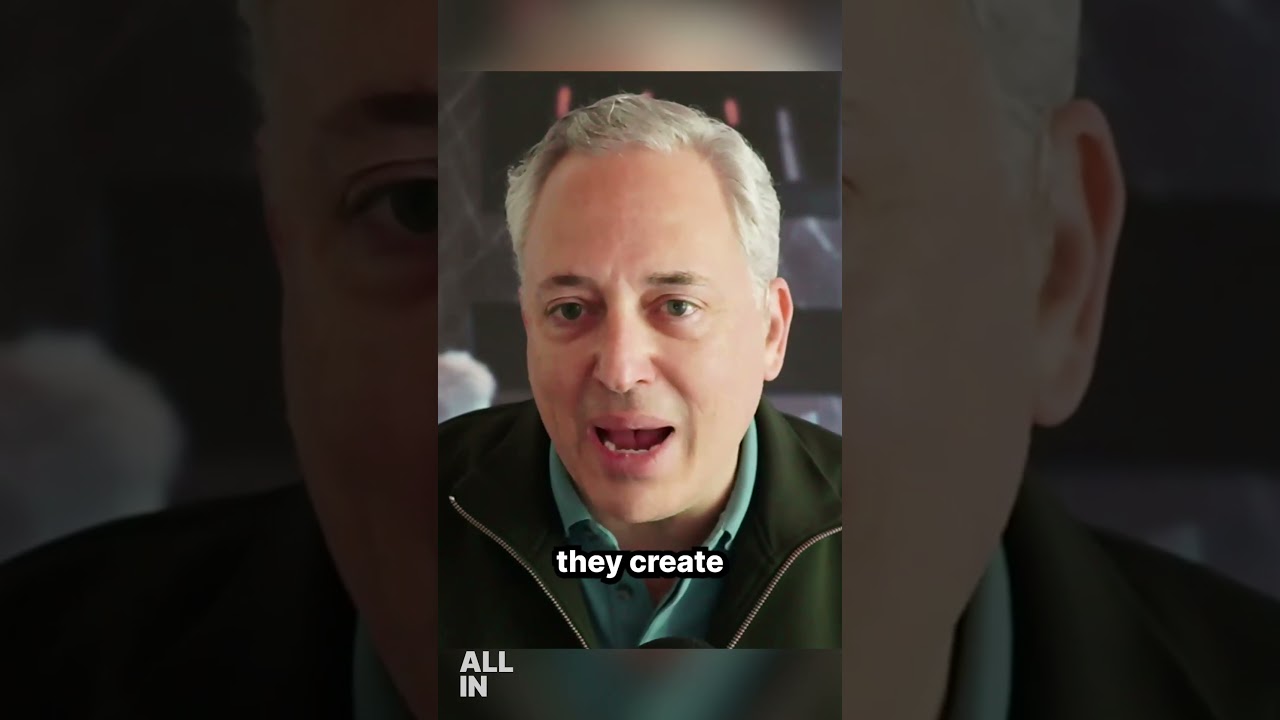
This segment of The All-In Podcast delves into Mark Andreessen's compelling theory regarding Anthropic's decision to withhold its highly anticipated Mythos model. The central thesis posits that Anthropic's primary motivation was not purely altruistic, but rather rooted in logistical and economic constraints: the sheer size and immense cost of serving Mythos, estimated at "10 or 20 times the token cost of say Opus," made its commercial deployment impractical given their available compute resources.
The discussion highlights that Anthropic was strategically saving its compute capacity for the impending release of Opus 4.7. By holding back Mythos, the company inadvertently (or intentionally) crafted a powerful marketing narrative. This created an "impression of scarcity and altruism," transforming the delay into a "gigantic marketing event" that generated significant buzz, particularly within government circles, around Mythos's perceived groundbreaking capabilities.
While acknowledging the potential for genuine altruism – that Mythos did reveal previously unknown coding vulnerabilities, offering companies valuable time to patch dormant bugs – the segment leans towards the increasingly apparent reality of the logistical limitations. It suggests that Anthropic "could not have offered that model commercially anyway because it was just too big and expensive," thus necessitating the strategic delay to free up resources for Opus 4.7.
Listeners will walk away with a nuanced perspective on high-stakes corporate decisions in the AI space, understanding how operational limitations, strategic resource allocation, and market perception can intertwine to shape public-facing narratives around product releases.
👤 Who Should Listen
- AI industry professionals and researchers
- Startup founders and executives in the tech sector
- Marketing and public relations strategists
- Anyone interested in the business and operational challenges of scaling AI models
- Fans of The All-In Podcast's discussions on current tech news and corporate strategy
🔑 Key Takeaways
- 1.Mark Andreessen theorizes Anthropic held back its Mythos model primarily due to insufficient compute capacity and its exorbitant serving cost, estimated at "10 or 20 times the token cost of say Opus."
- 2.Anthropic needed to conserve its compute resources for the upcoming release and service of its Opus 4.7 iteration.
- 3.The decision to withhold Mythos inadvertently, or strategically, created a powerful marketing event by fostering an "impression of scarcity and altruism" around the model.
- 4.While Mythos genuinely revealed new coding vulnerabilities, offering time for companies to patch, the logistical challenges of commercial deployment likely overshadowed purely altruistic motives.
- 5.It is increasingly suggested that Anthropic "could not have offered that model commercially anyway because it was just too big and expensive."
💡 Key Concepts Explained
Compute Scarcity as a Strategic Lever
This concept highlights how a company's limitations in compute resources can influence product release strategies. Instead of being a purely negative constraint, it can be strategically managed to create market anticipation, save resources for other key products, and even generate a 'scarcity' narrative that functions as powerful marketing.
Altruism as Marketing
This refers to the idea that a company's benevolent actions, such as delaying a powerful AI release to allow for vulnerability patching, can also serve as a highly effective marketing event. By framing a decision as altruistic, a company can enhance its brand image, build trust, and generate significant buzz around its products, even if other commercial or logistical factors are also at play.
⚡ Actionable Takeaways
- →When evaluating major tech company announcements, consider the underlying logistical and economic factors that might influence their strategic decisions.
- →Recognize that perceived scarcity or altruism can be powerful marketing levers, even when primary drivers are operational constraints like compute availability.
- →For businesses developing resource-intensive products, plan compute allocation strategically far in advance of product launches to avoid bottlenecks and leverage anticipated scarcity.
⏱ Timeline Breakdown
💬 Notable Quotes
“"The model was huge and very expensive to serve, something like 10 or 20 times the token cost of say Opus."”
“"By holding it back, they create this impression of scarcity and altruism, and it turns into this gigantic marketing event for their product."”
“"It's looking more and more like Anthropic could not have offered that model commercially anyway because it was just too big and expensive."”
Listen to Full Episode
📬 Get weekly summaries like this one
No spam. Unsubscribe anytime. By subscribing you agree to our Privacy Policy.
Continue Exploring